SUNNOVA CATALYST
The purpose of this website is to display what I built while at Sunnova because it was an innovative business, and I enjoyed my time there. I also remember when I was teaching myself how to develop mobile apps, there was not a lot of documentation out there about how apps in big companies are put together. I would like to share the wisdom I gained from this engagement to those who are embarking on the steep and isolating learning curve of mobile app development (it’s overwhelming, I know). I also wanted to teach myself the three.js and Green Sock Animation Platform (GSAP) libraries to create 3D animations.
Sunnova’s main service offering is financing + installation for solar panel systems, and they operate a franchise business model where solar-panel-dealerships receive commissioning checks from Sunnova when they successfully install solar panel systems. Sunnova and dealerships use a mobile app I helped build in 2023 called Catalyst (available on iOS and Android) to facilitate the communication between Sunnova and Dealership employees. After dealerships install Sunnova-approved equipment on properties, they submit photos of the installed equipment using the Catalyst app. Sunnova then sends dealerships commissioning checks after their engineers verify that the equipment was installed correctly. Throughout this process, consumers also follow along in an ‘install wizard’ in the consumer facing app (available on iOS and Android) (after the underwriting process), and once their equipment is installed, customers can use the customer-facing app to monitor and customize their residential home energy systems.

Customers
As of 2023, Sunnova had 348k+ customers, and approximately 500 systems were installed daily through the Sunnova dealership network (before interest rates increased; now, I'm not sure of the current rate).
Customers
Locations
Sunnova operates in 46 US States and is expanding outside the US as well. They have a large presence in Puerto Rico already (assisted rebuilding electrical grid infrastructure after Hurricane Maria in 2017), and they are attempting to expand into the German market. They also have remote employees all over the globe.
Locations
Founding
John Berger started Sunnova in Houston in 2012 and a lot of the senior staff are from the traditional Houston oil and gas industry, banking professionals, and many former consultants. I am very grateful for the time I was able to spend learning from these professionals.
Founding
IPO
Sunnova had an Initial Public Offering in 2019 with Bank of America, J.P. Morgan, and Goldman Sachs as the underwriters (14,000,000 shares of its common stock at $12.00 per share = $168 million market capitalization).
Initial Public Offering
Dealerships
There are 1,300 dealerships in Sunnova's network, which the Catalyst app was built to support.
Dealerships
App History
The Sunnova consumer-facing app was launched in 2023. The Sunnova Catalyst app has been designed twice now-- the first time with Xamarin for mobile apps and Ionic for web apps. The most recent mobile and web apps were built in a single TypeScript codebase for React Native and React for web.
App History
Salesforce
Salesforce
Salesforce used Sunnova as a connected data automation case study at their Dreamforce 2023 conference, and I was told that Sunnova had the largest Salesforce instance in the southern US. I worked on the development of the Mulesoft data flows mentioned in this video below that enable Sunnova to generate quotes within 15 minutes for customers who want solar equipment installed on their homes.
Microgrids
Microgrids
Microgrids are extremely important to Sunnova's current strategy. A solar panel Microgrid is a localized energy system that use solar panels to generate electricity, incorporates batteries for storage, and distributes power within a specific area. Sunnova is... (in my own words) essentially Enron reincarnated, except with solar power instead of gas pipelines. They recently acquired a homebuilding company called SunStreet and approximately 250,000 homes were added to Sunnova's network.
D.o.E
Department of Energy
In 2023 the Department of Energy approved $3 billion worth of financing as a backstop for Sunnova in case customers stop paying for their solar systems. The goal of this financing is to provide lower-income areas in the US with access to solar power, and the funding is a part of Project Hestia.

Site Survey
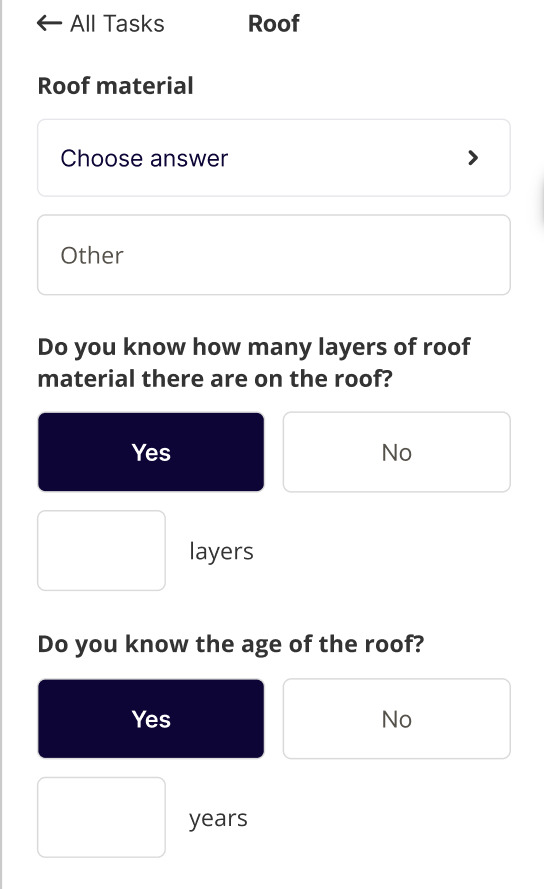
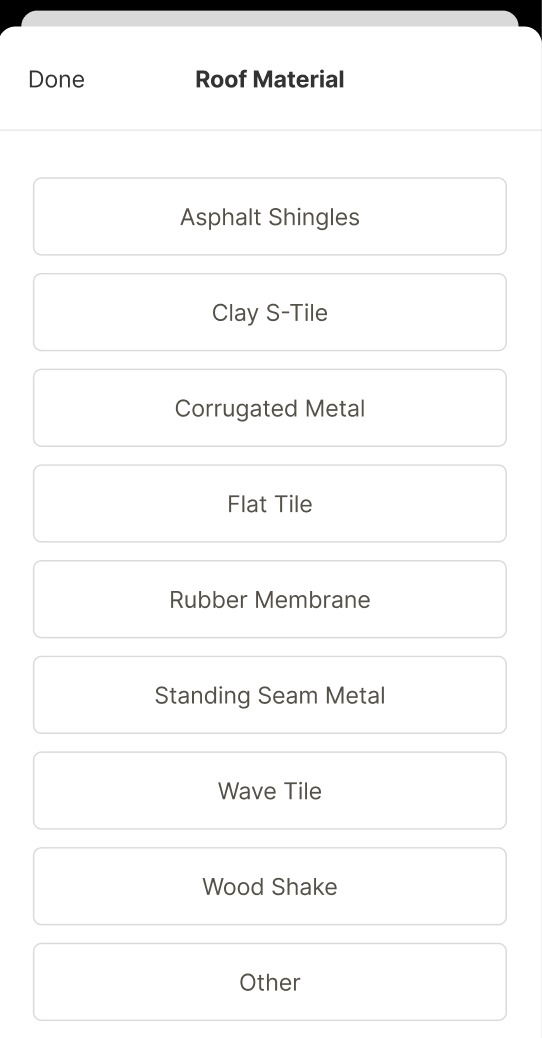
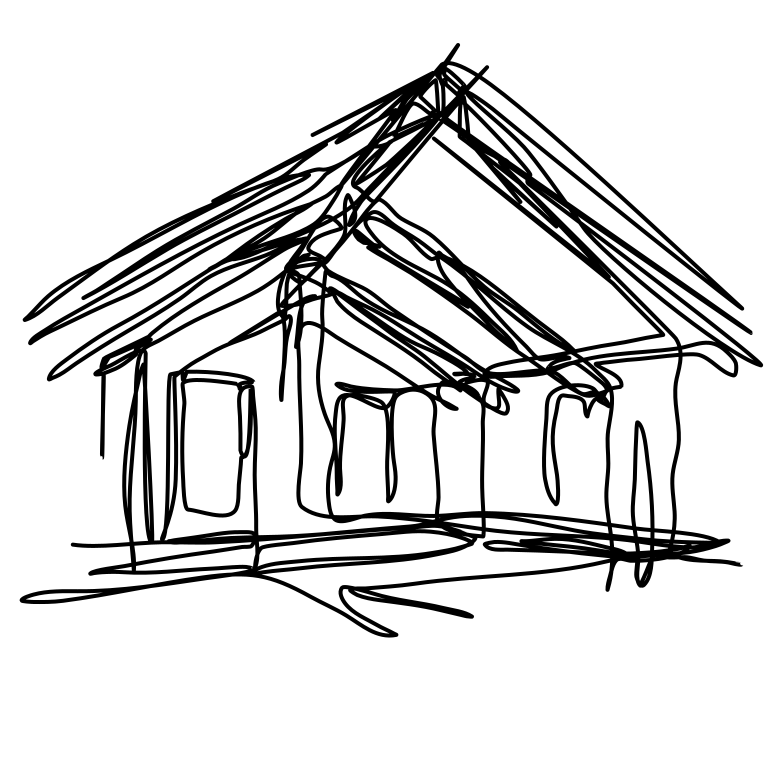
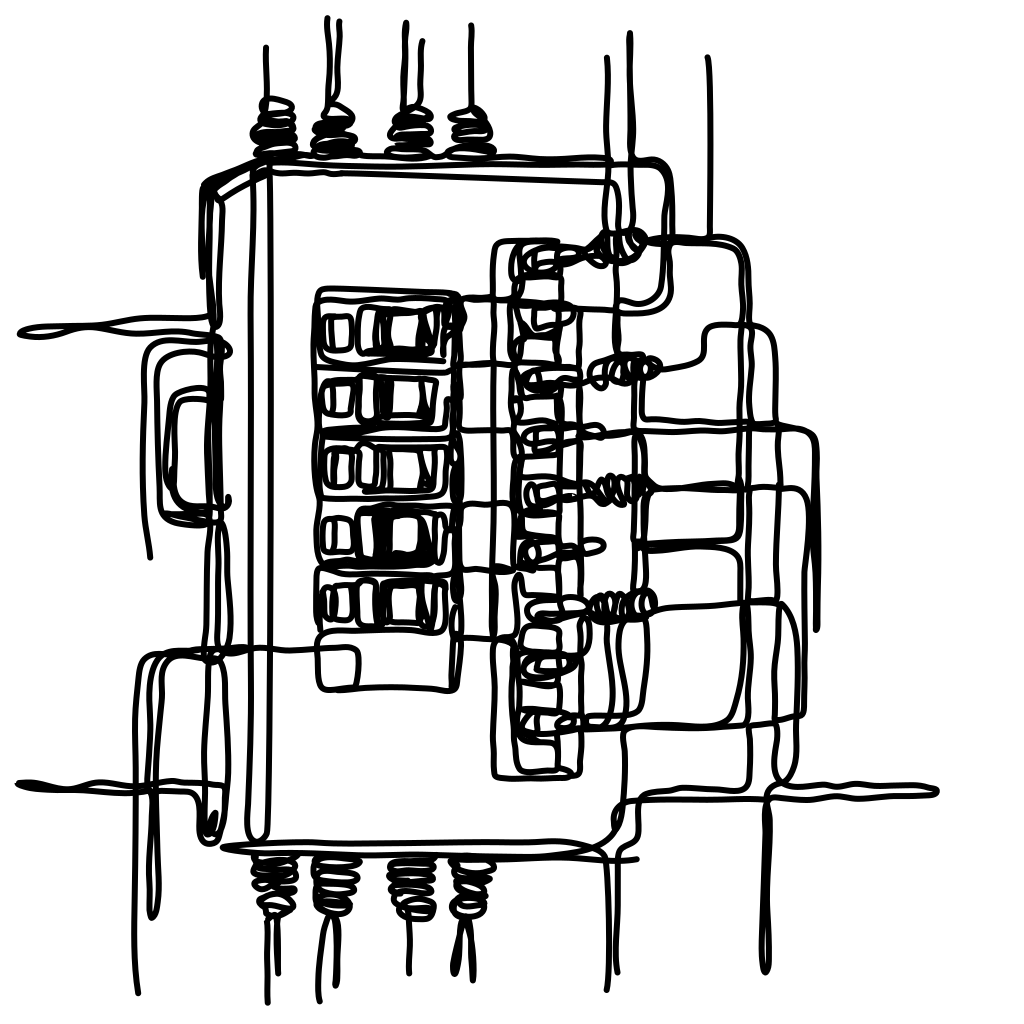
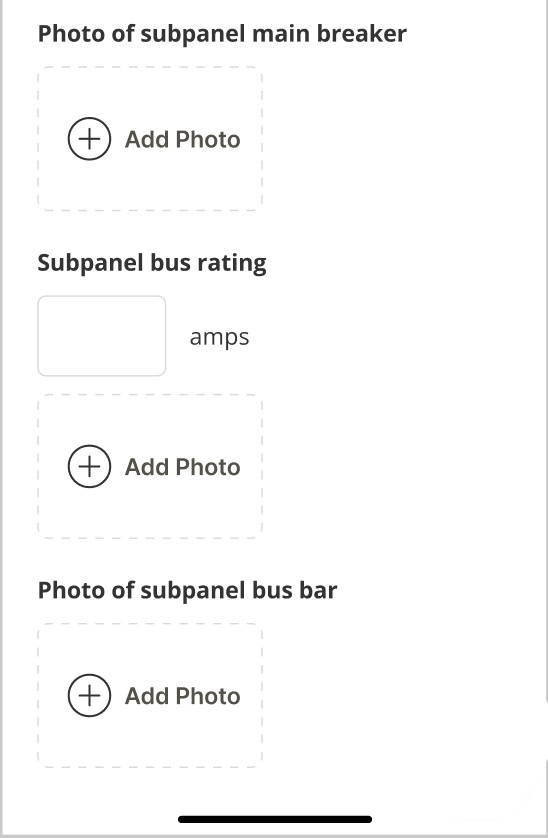
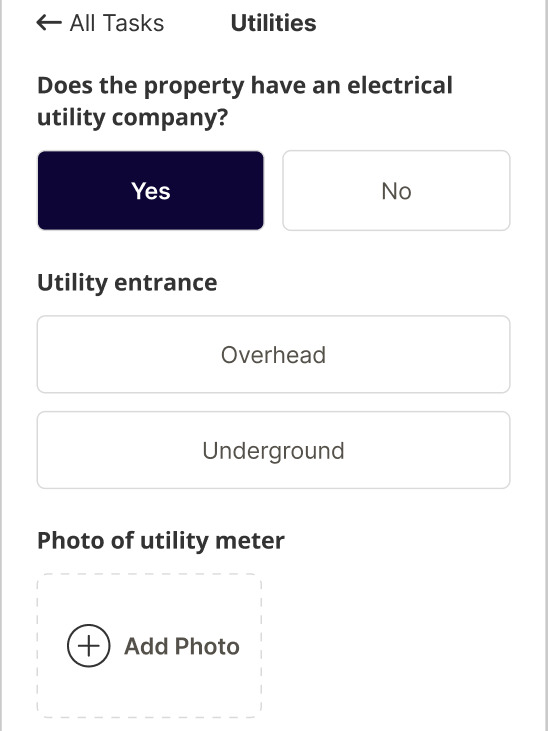
Before Sunnova can install energy equipment, property specifications are required. Some examples are roof pitch, attic and roof rafter specs, subpanel and main breaker info, and which electrical utility company is used. To accomplish this information discovery, Sunnova has a feature in their Catalyst app called "site survey," which allows solar sales consultants to submit customer property data to Sunnova's Salesforce instance for case management. The survey prompt types supported are; photo, number, long-text, short-text, multiple selection, boolean, and some questions can be marked as "does not apply." Below are some example screens from the site survey portion of the app.


Commissioning Package
Once a site-survey has been; submitted, approved, and a cusomter wants to proceed- Sunnova dealers start installing equipment on properties.
Sunnova primarily offered solar panel installations in its infancy
However, they also started installing solar-panel-adjacent-technology too. They currently install:
storage batteries, battery electric vehicle chargers, and connections to electric utility companies for energy transferring.
After solar panel energy systems are installed, solar panel dealerships use the Catalyst mobile app to submit proof of the solar equipment installations so that they can:
receive commissioning checks from Sunnova.

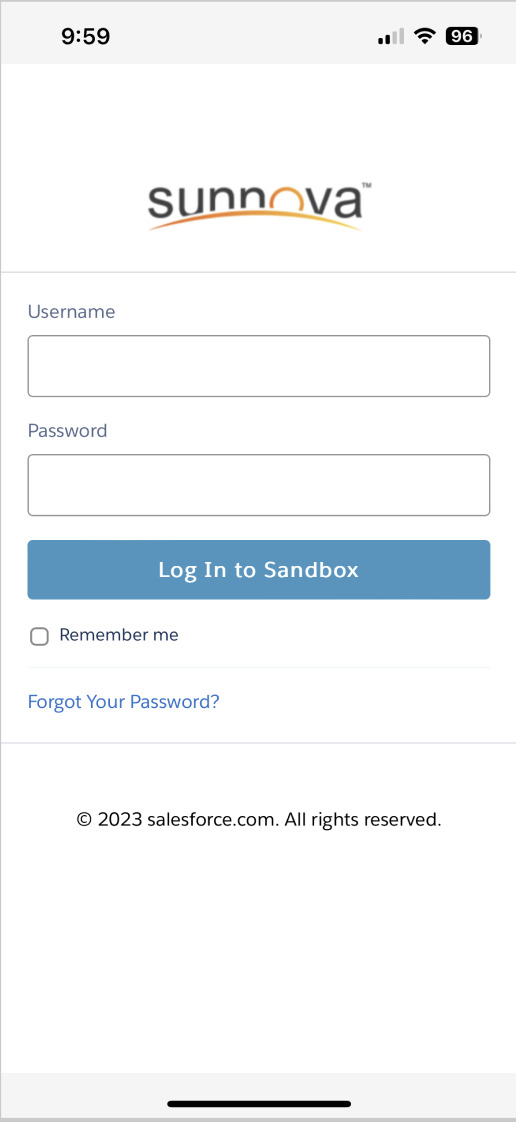
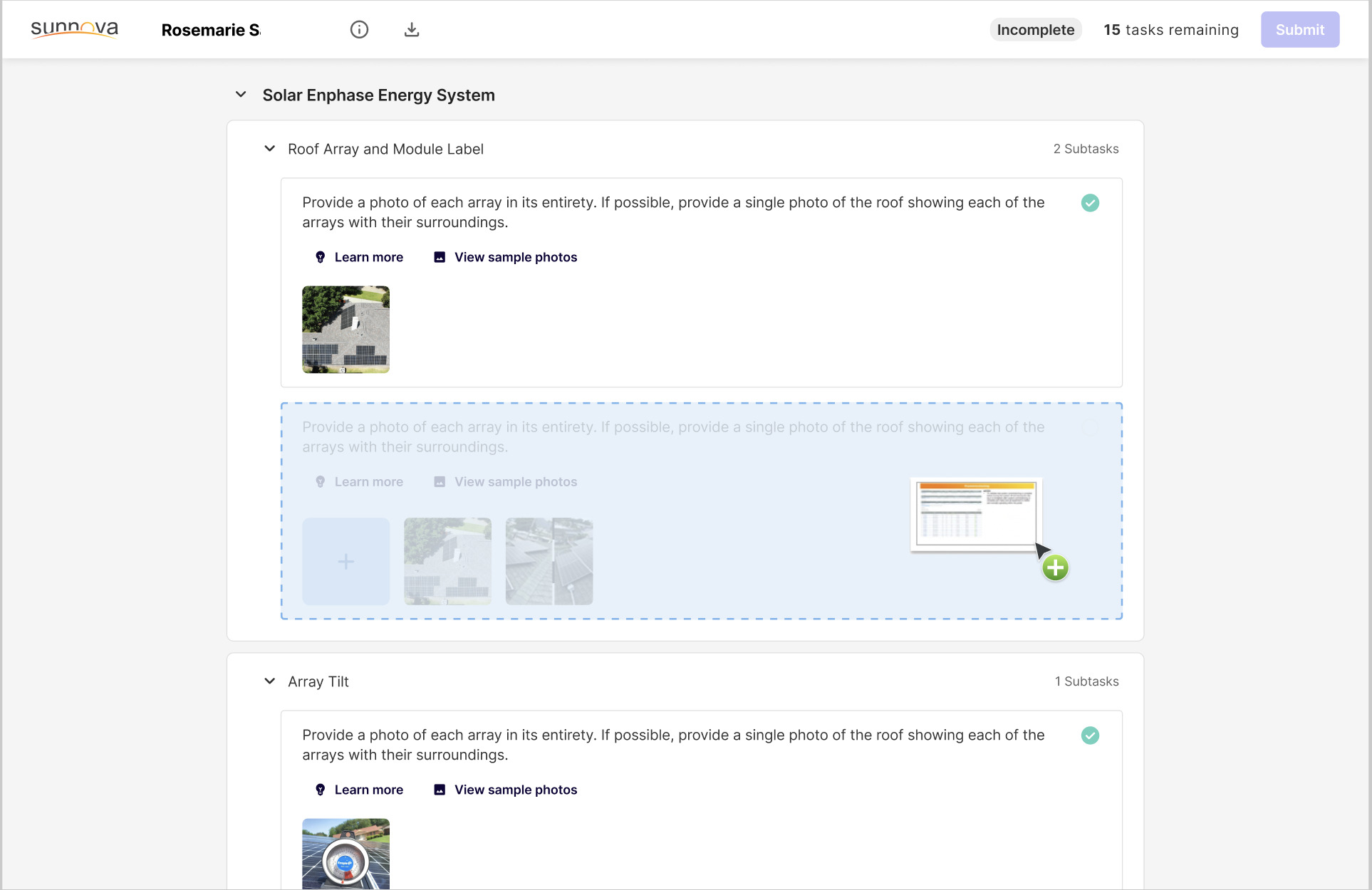
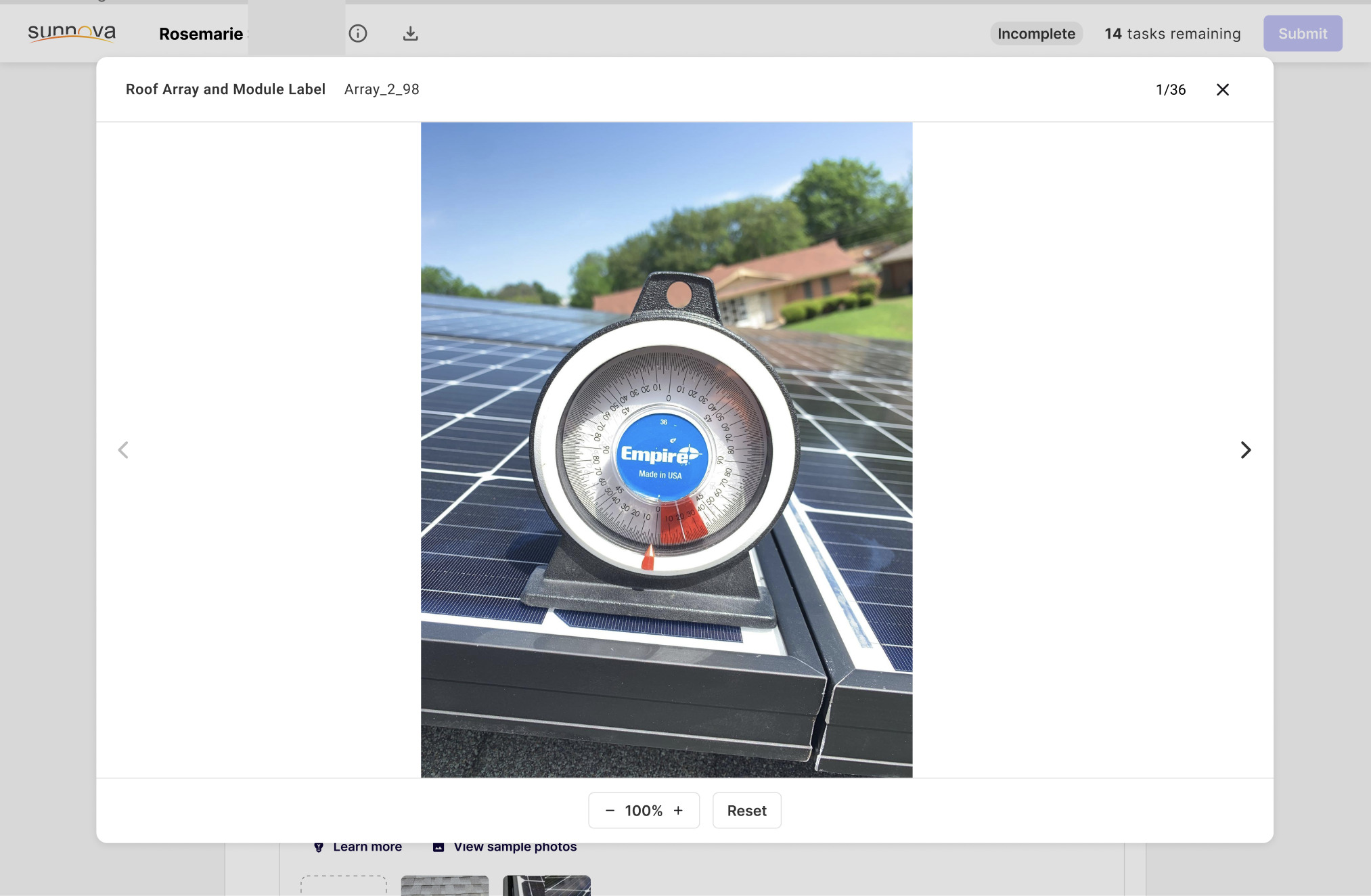
The gallery below displays the core process dealership employees go through when submitting a commissioning package through the Catalyst app to Sunnova corporate for their engineers to review.
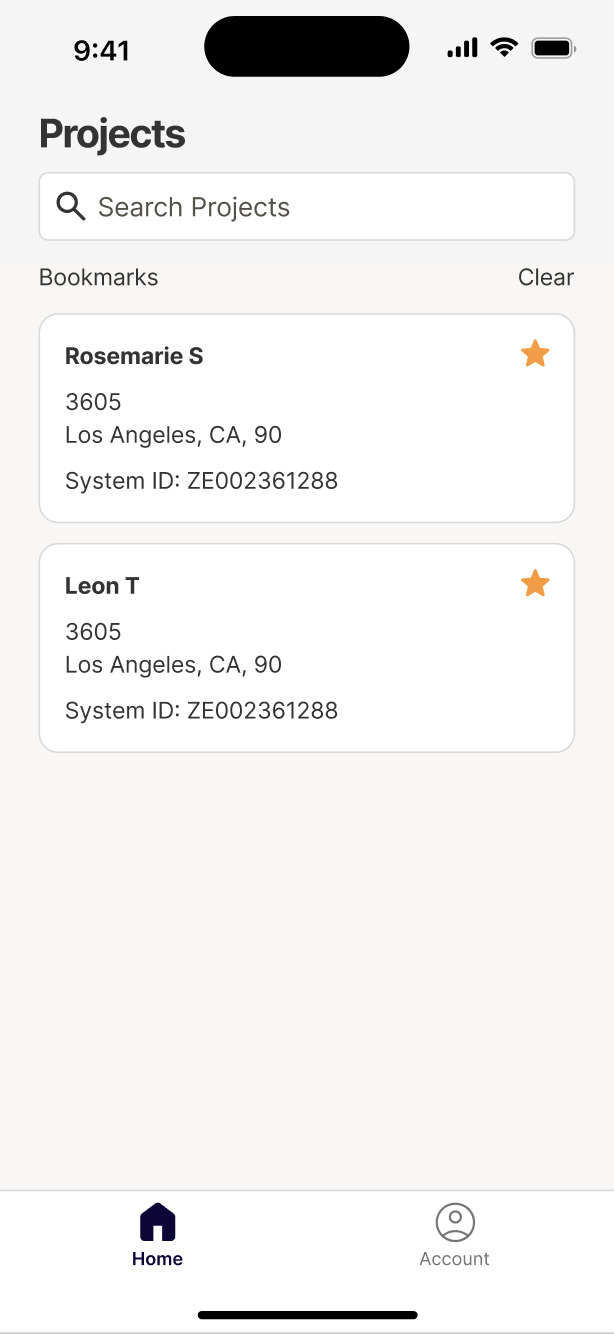
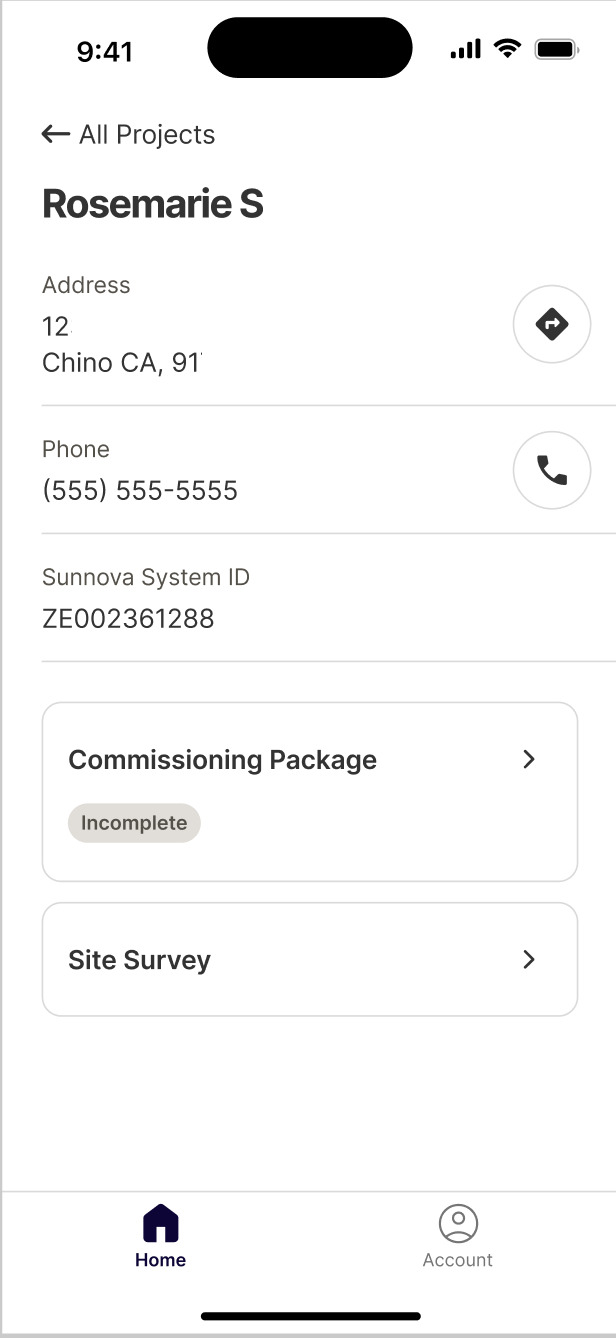
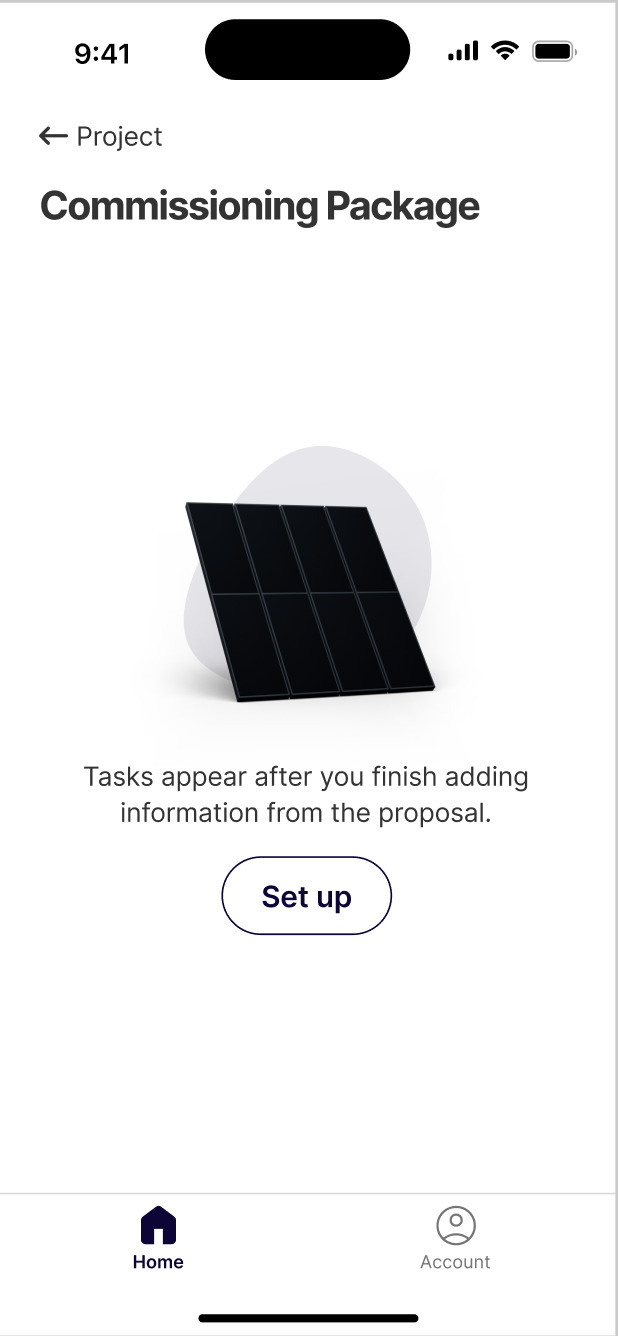
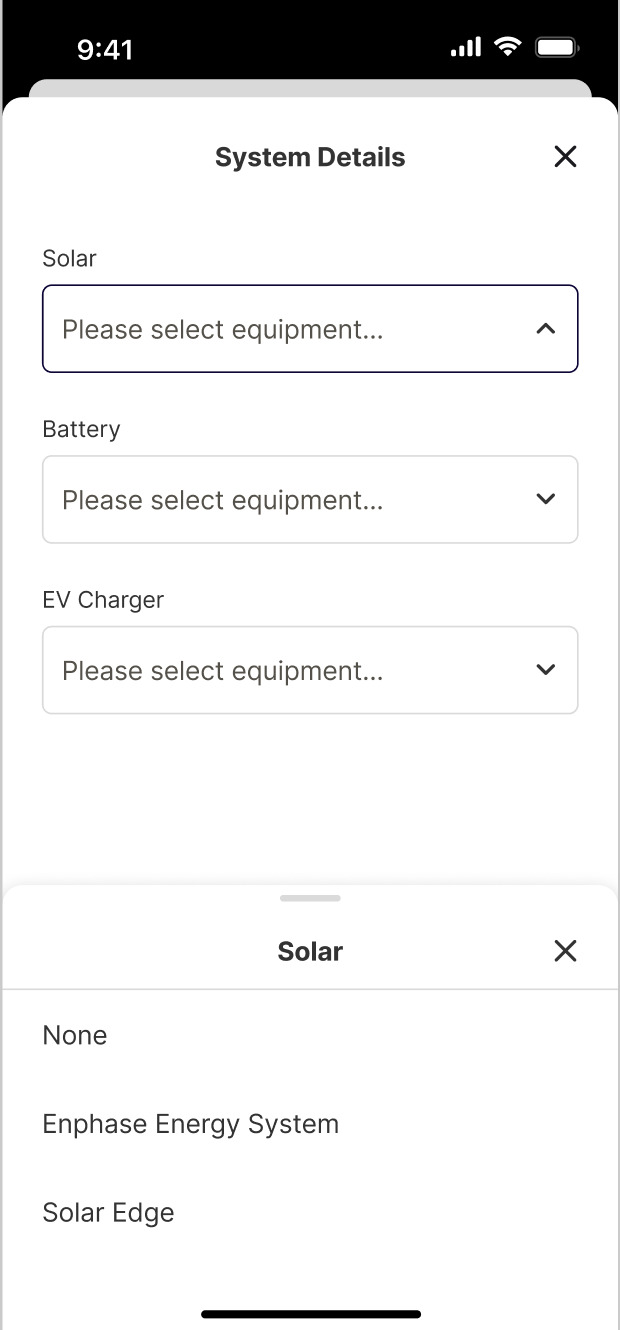
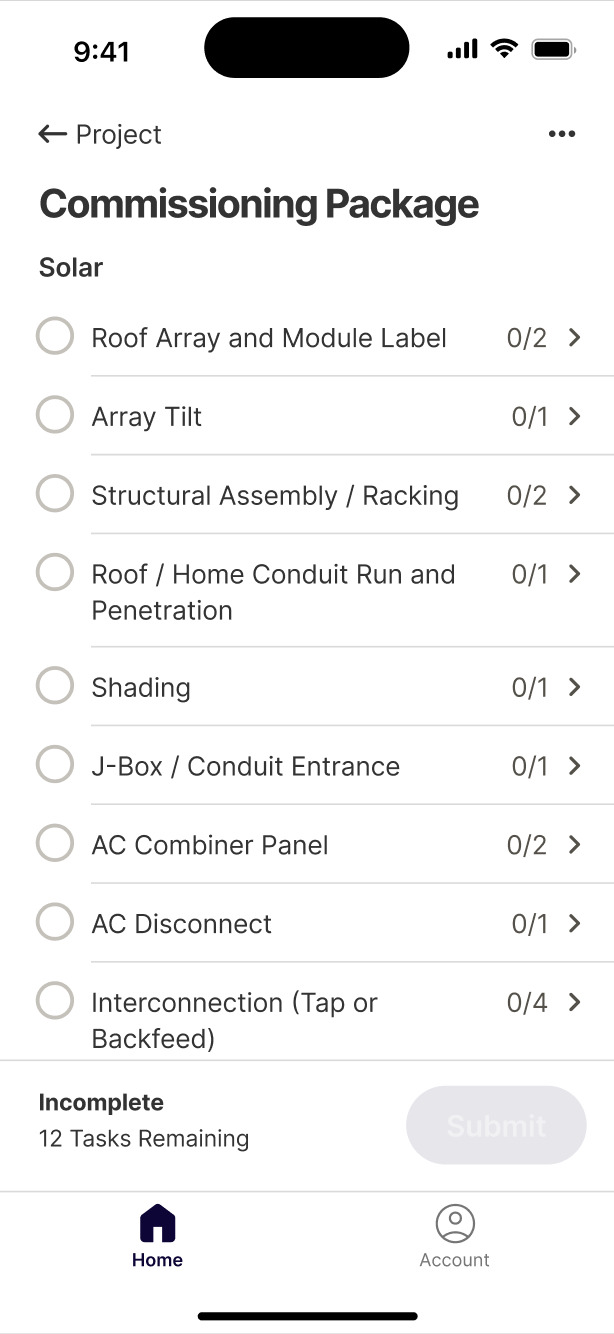
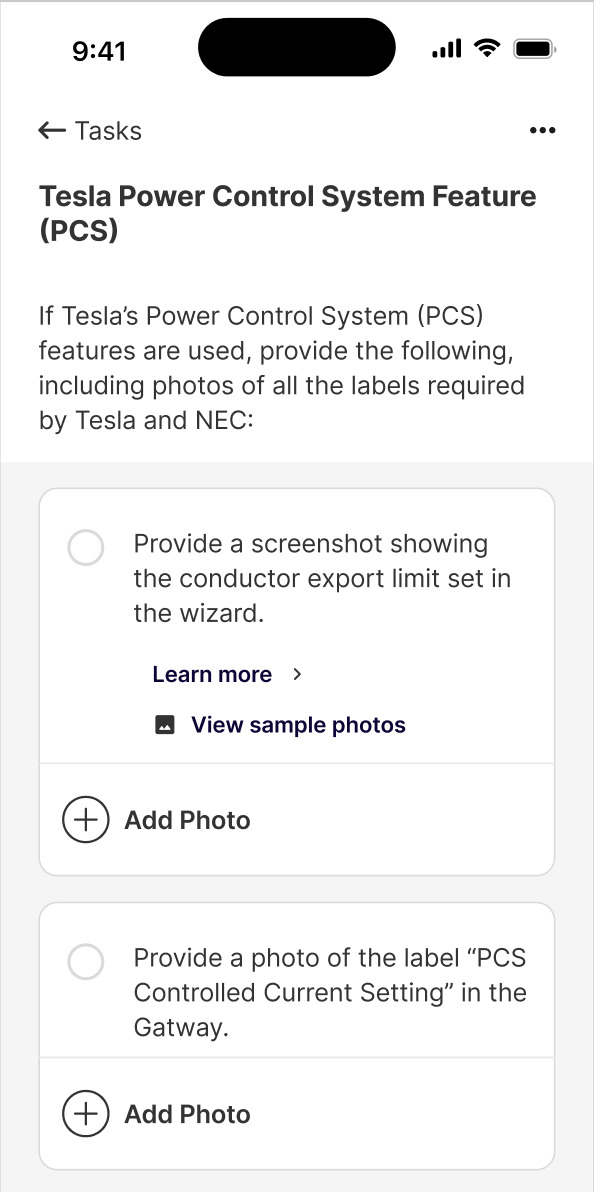
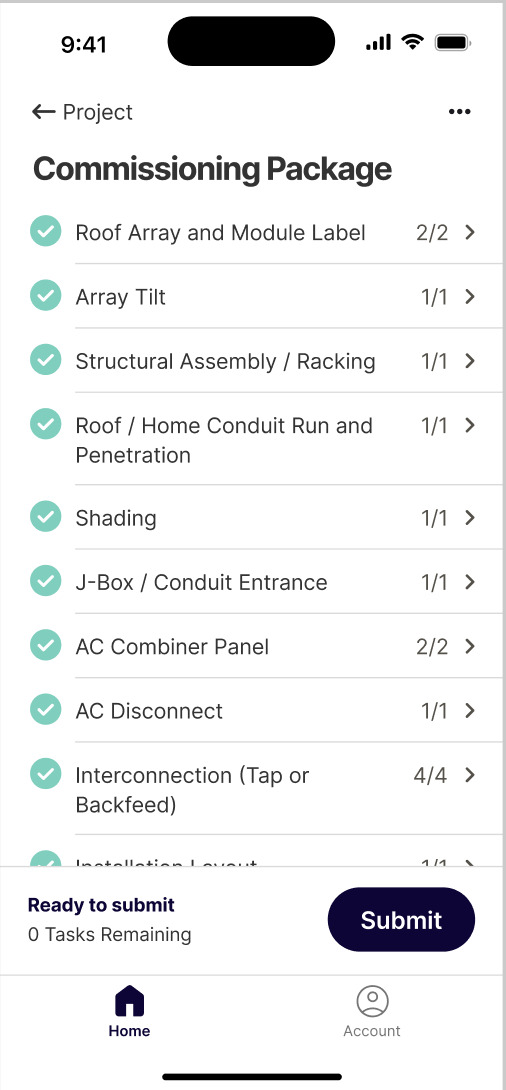
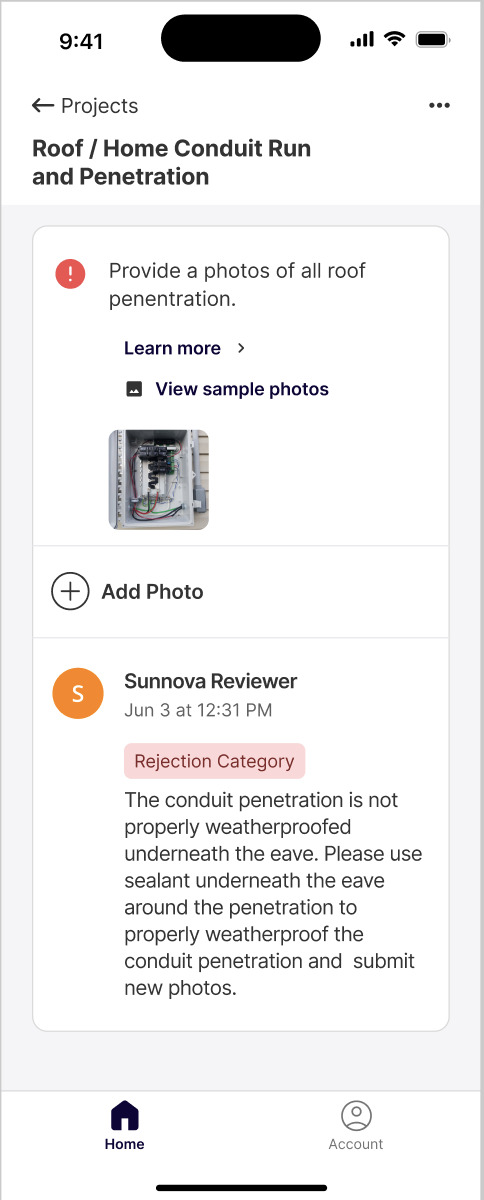
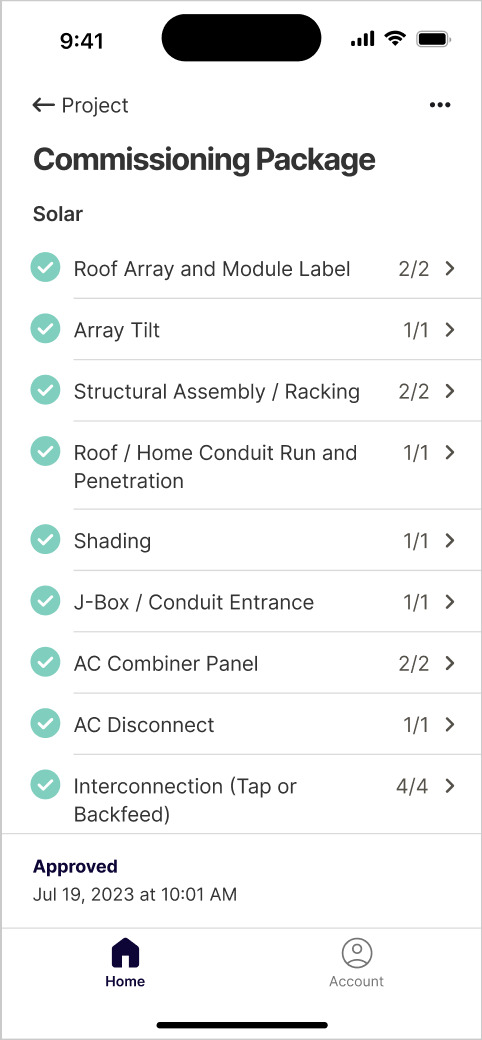
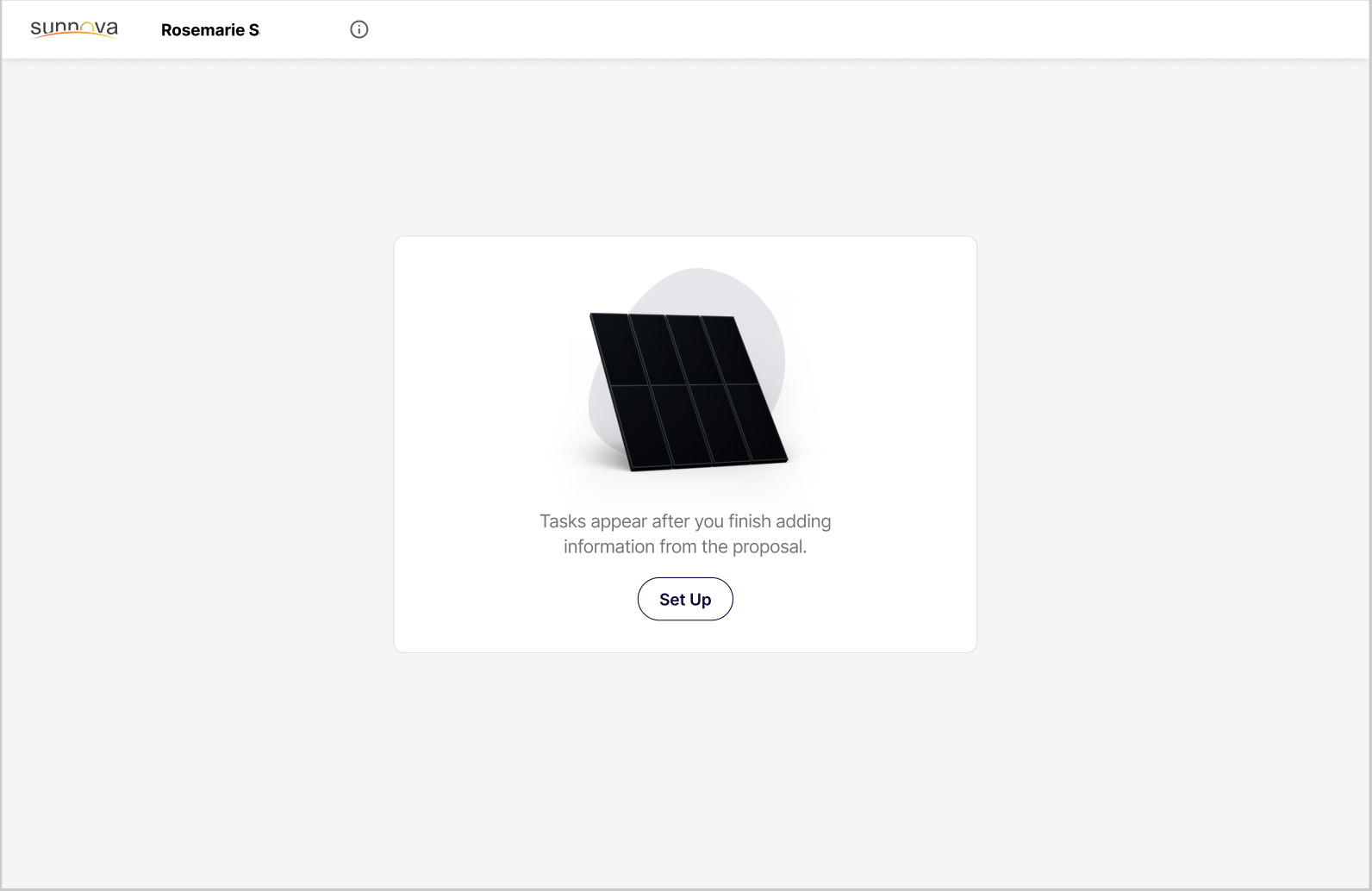
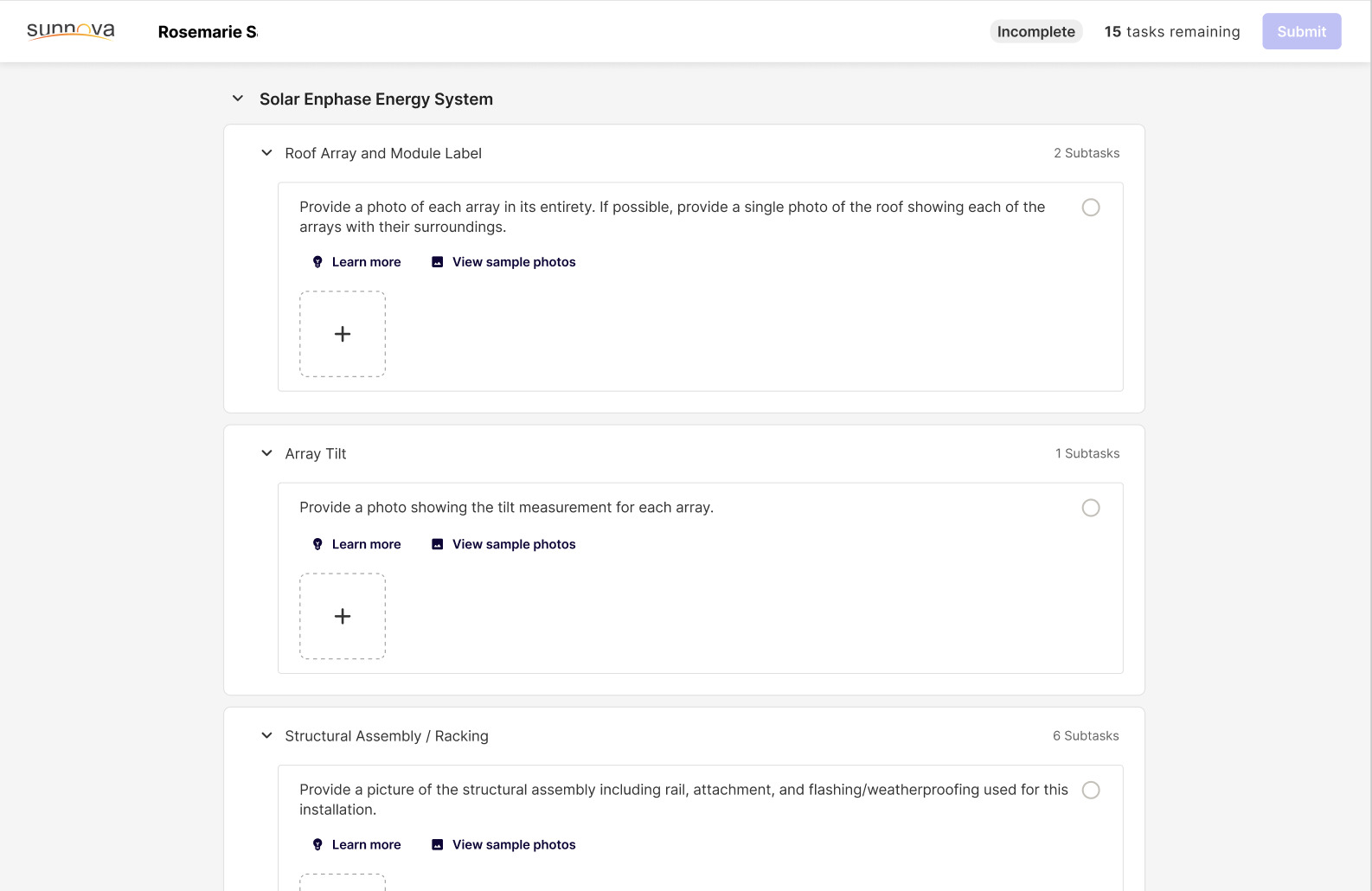
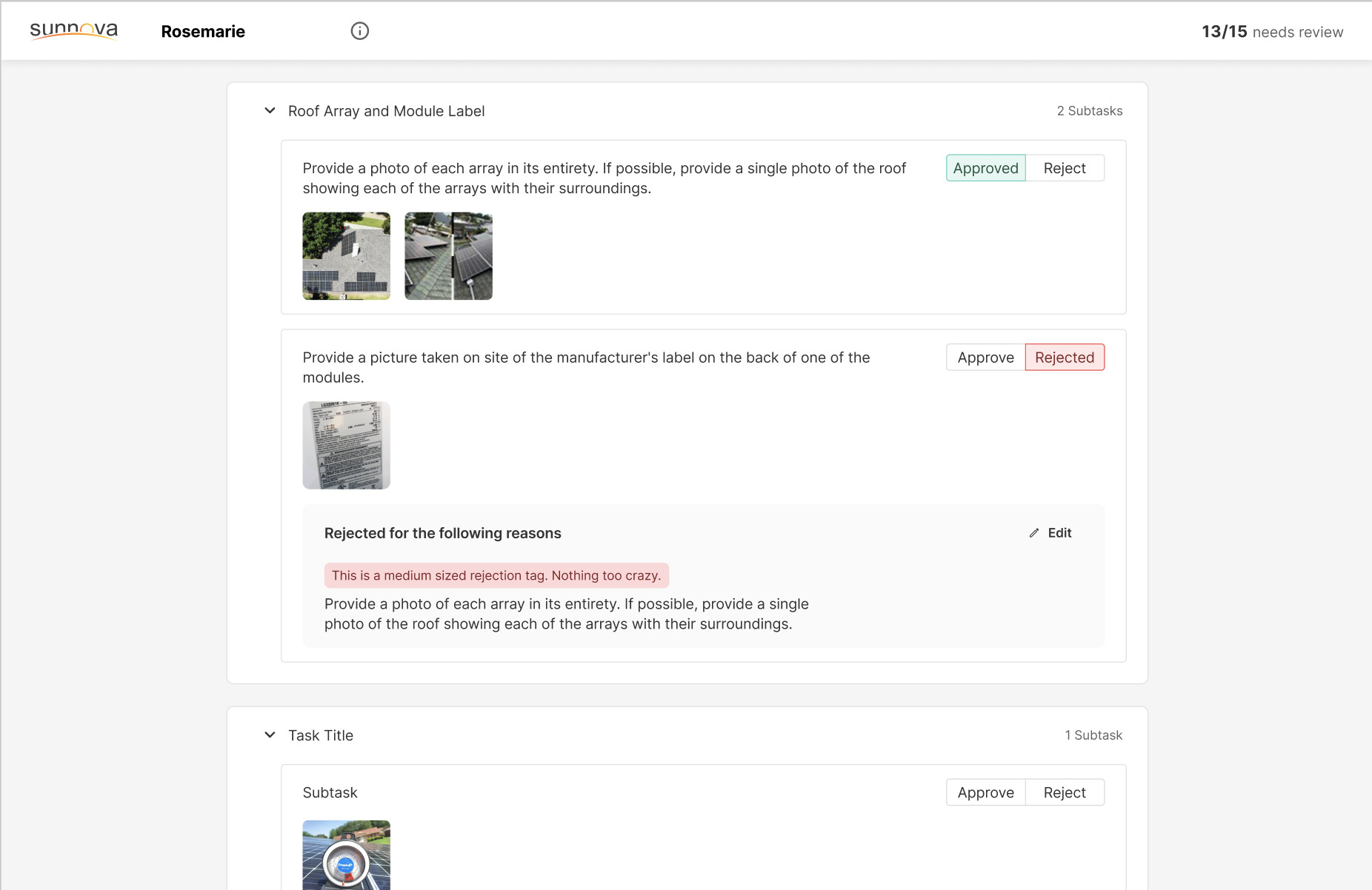
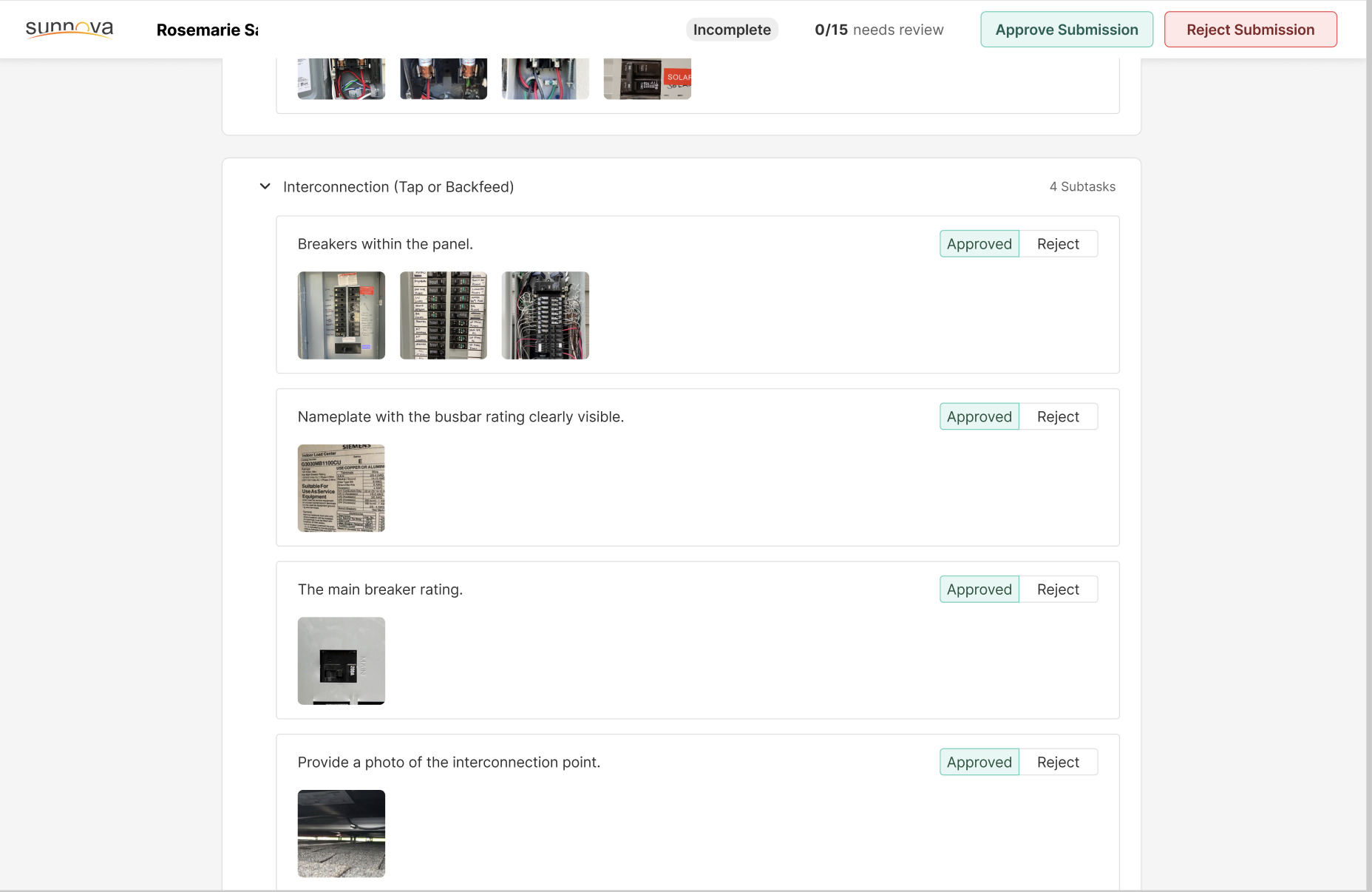
There also is a complimentary web app to the mobile app solar-dealerships can use. This web app is dual-faceted and accessed via a different login by Sunnova engineering reviewers to approve, provide feedback, and reject system-installs submitted by dealerships.
The features in the web app share a lot of the same core-components as the mobile app with some minor UX differences to suit different ways of working with a keyboard and mouse instead of a touch screen mobile phone.
Catalyst Platform Architecture
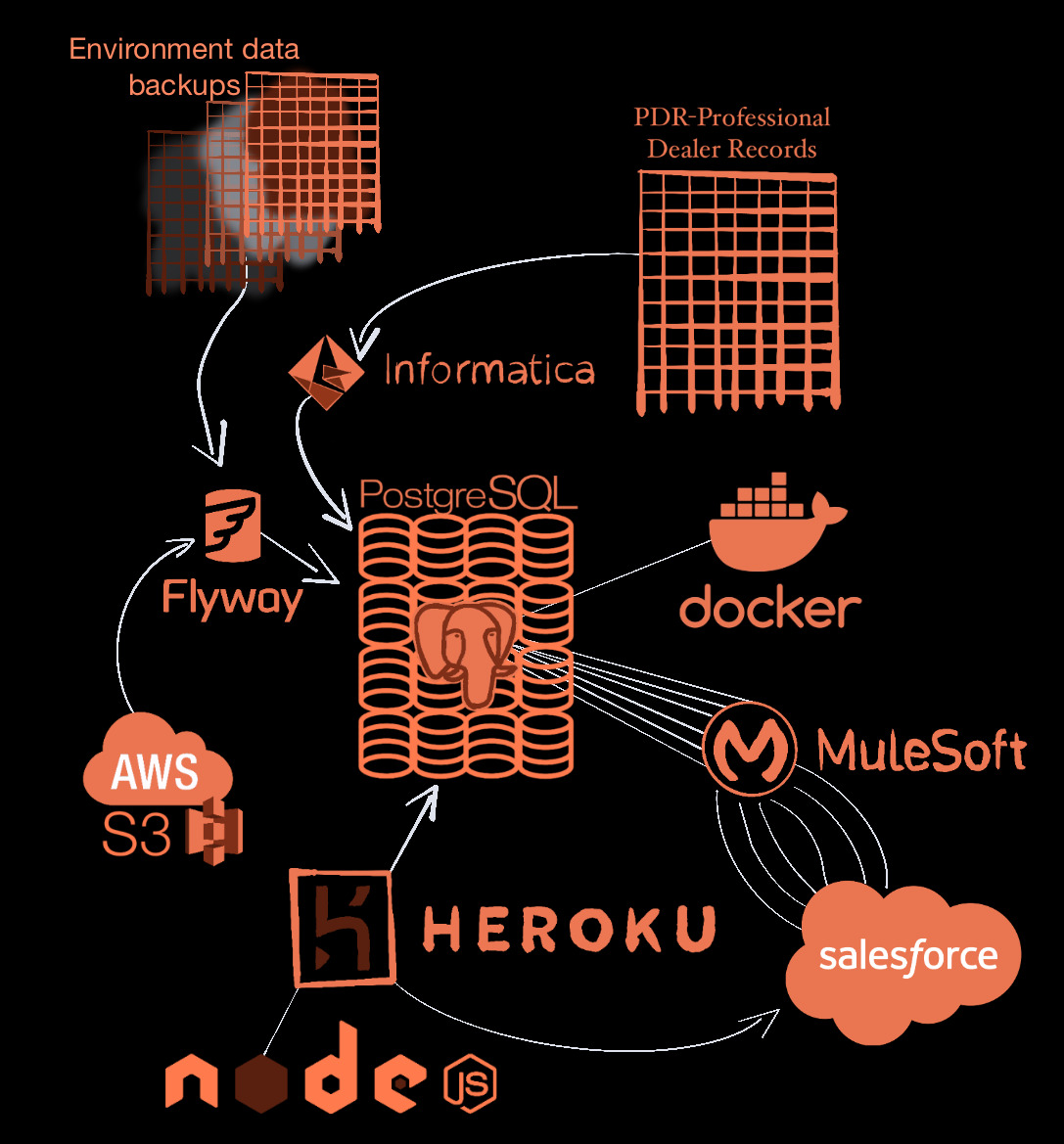
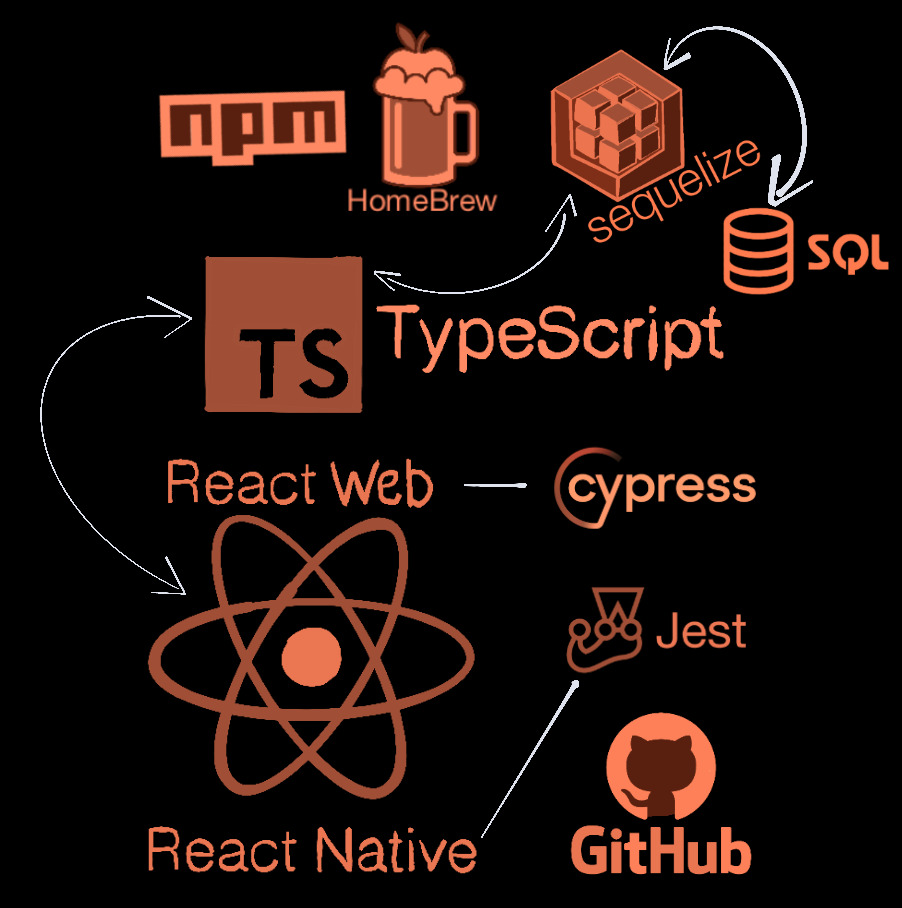
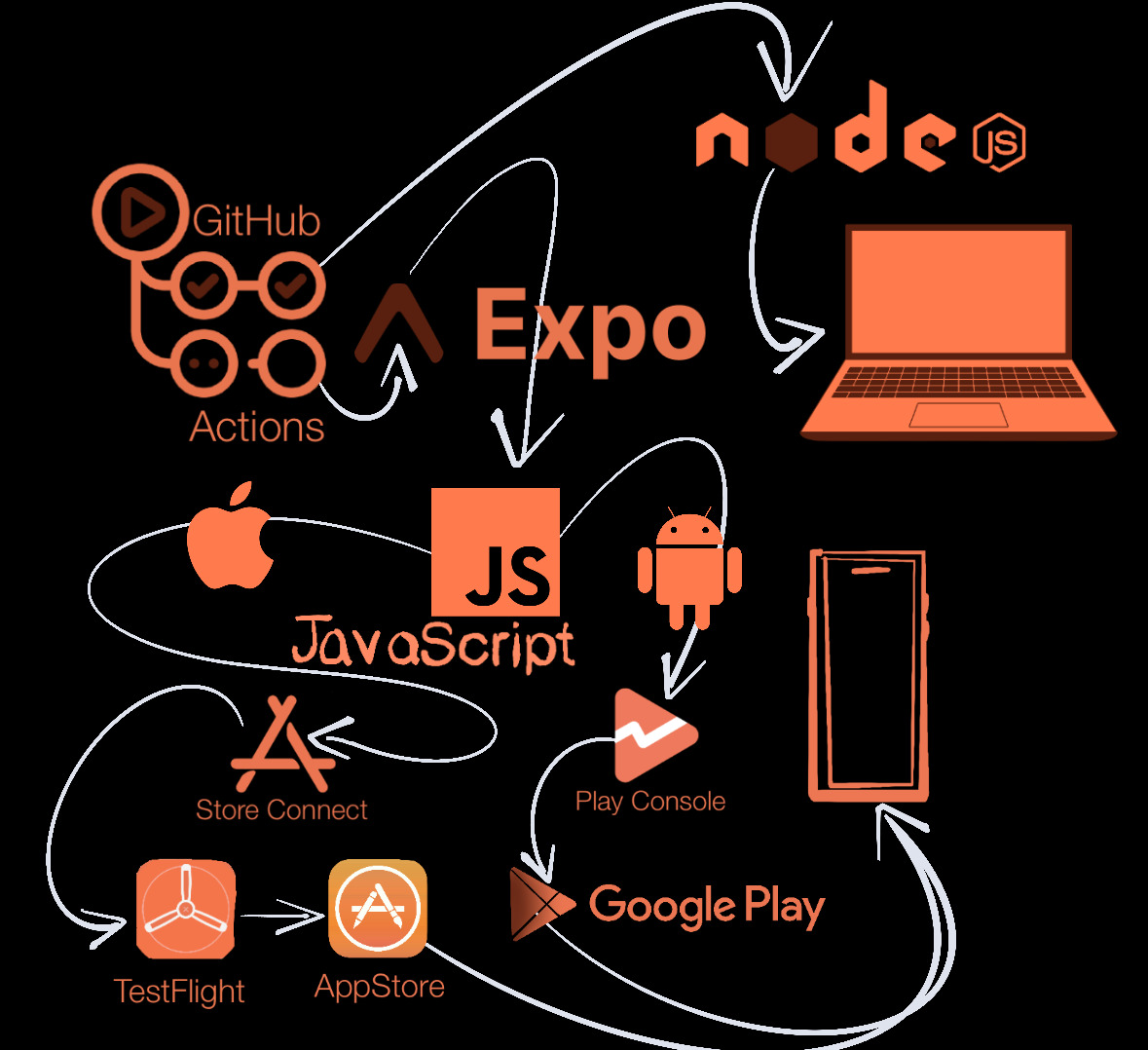
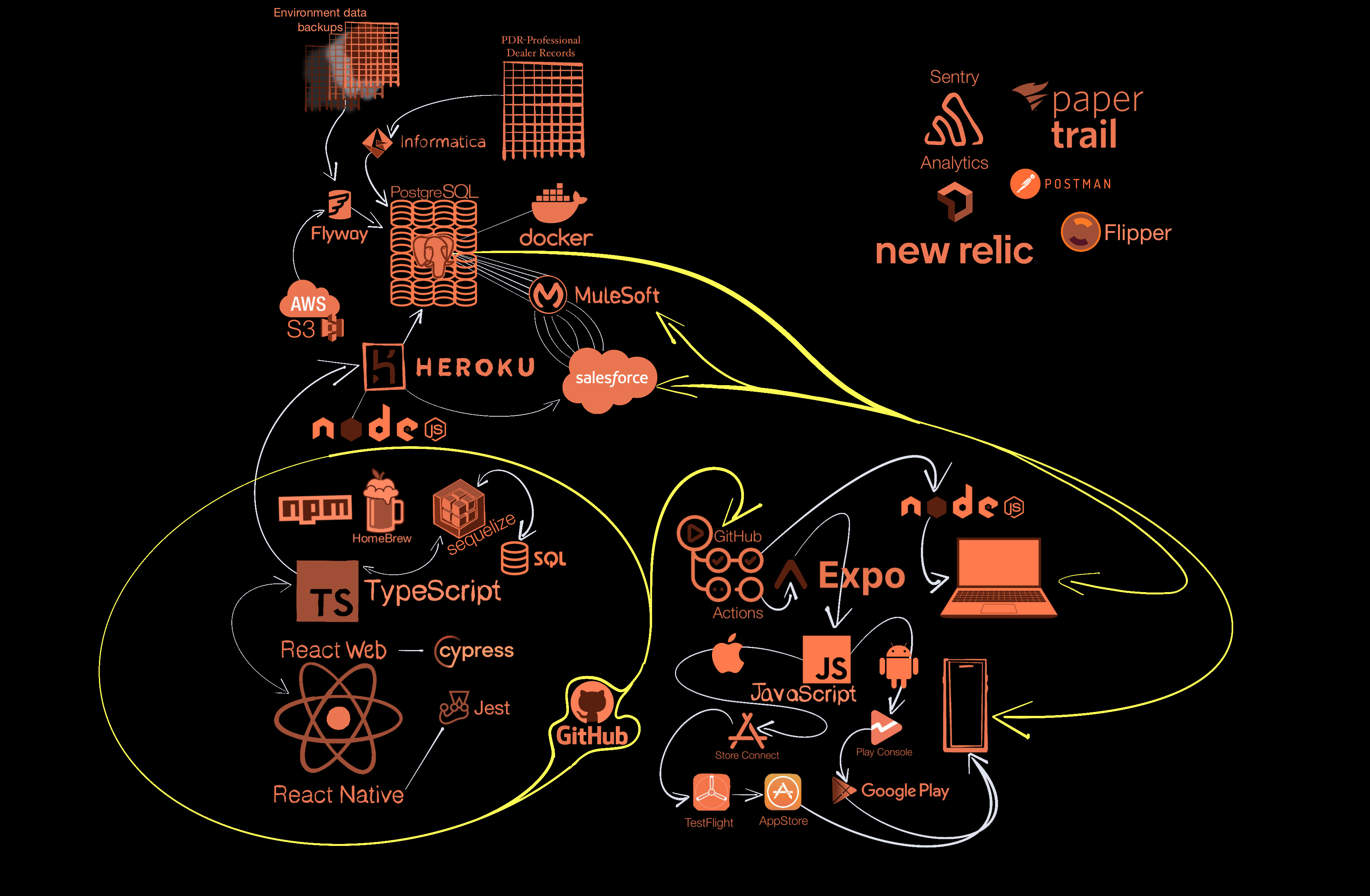
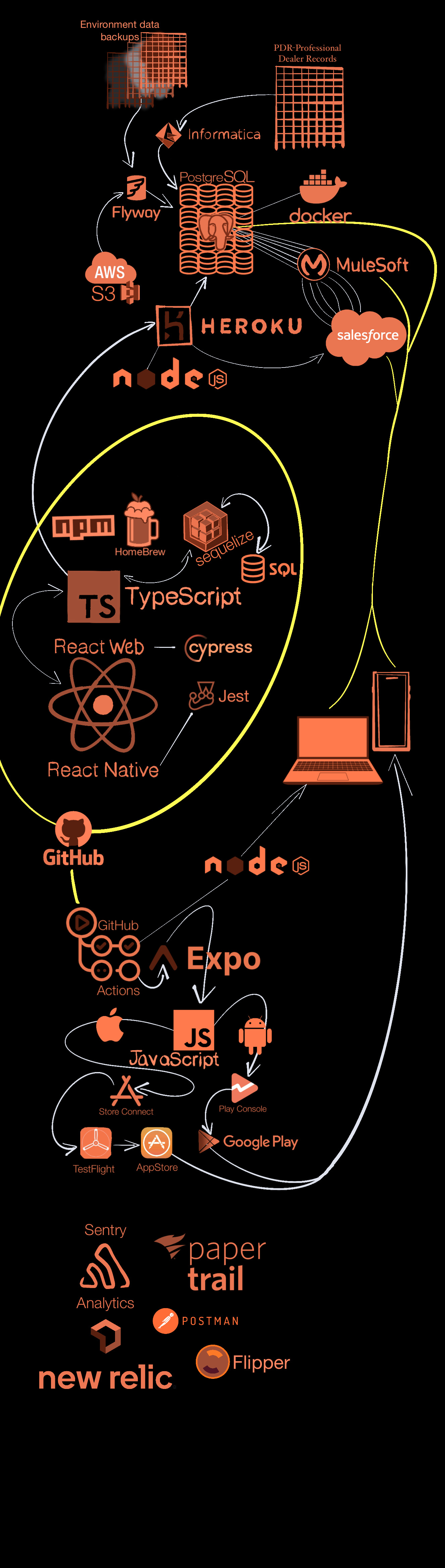
At a high level, the Catalyst app comprises two main features called site survey and commissioning package. Both of these features are essentially surveys that dealership employees use to submit information to Sunnova about a property. The codebase is divided into two main directories: backend and frontend, and the app architecture follows the MVVM (Model-View-ViewModel) pattern. Here’s how the structure is organized: